 Members only
Kyoto · Summer
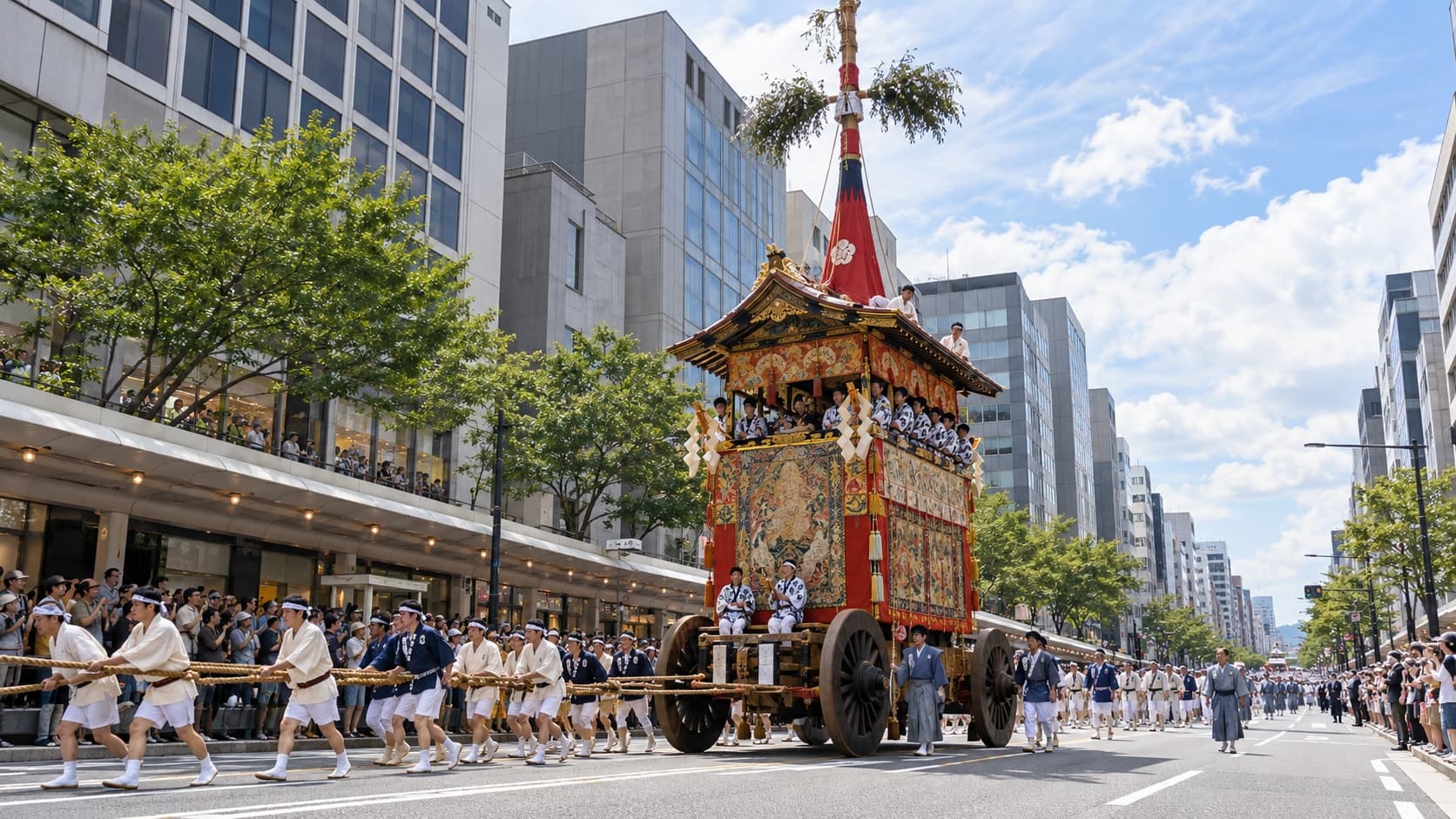
Gion Matsuri: What Kyoto’s Floats Carry
KyotoRitualsPerforming Arts
Published stories only
Stories grouped by the time of year when the tradition is practiced.
 AI reconstruction · See disclosure
Saga ·
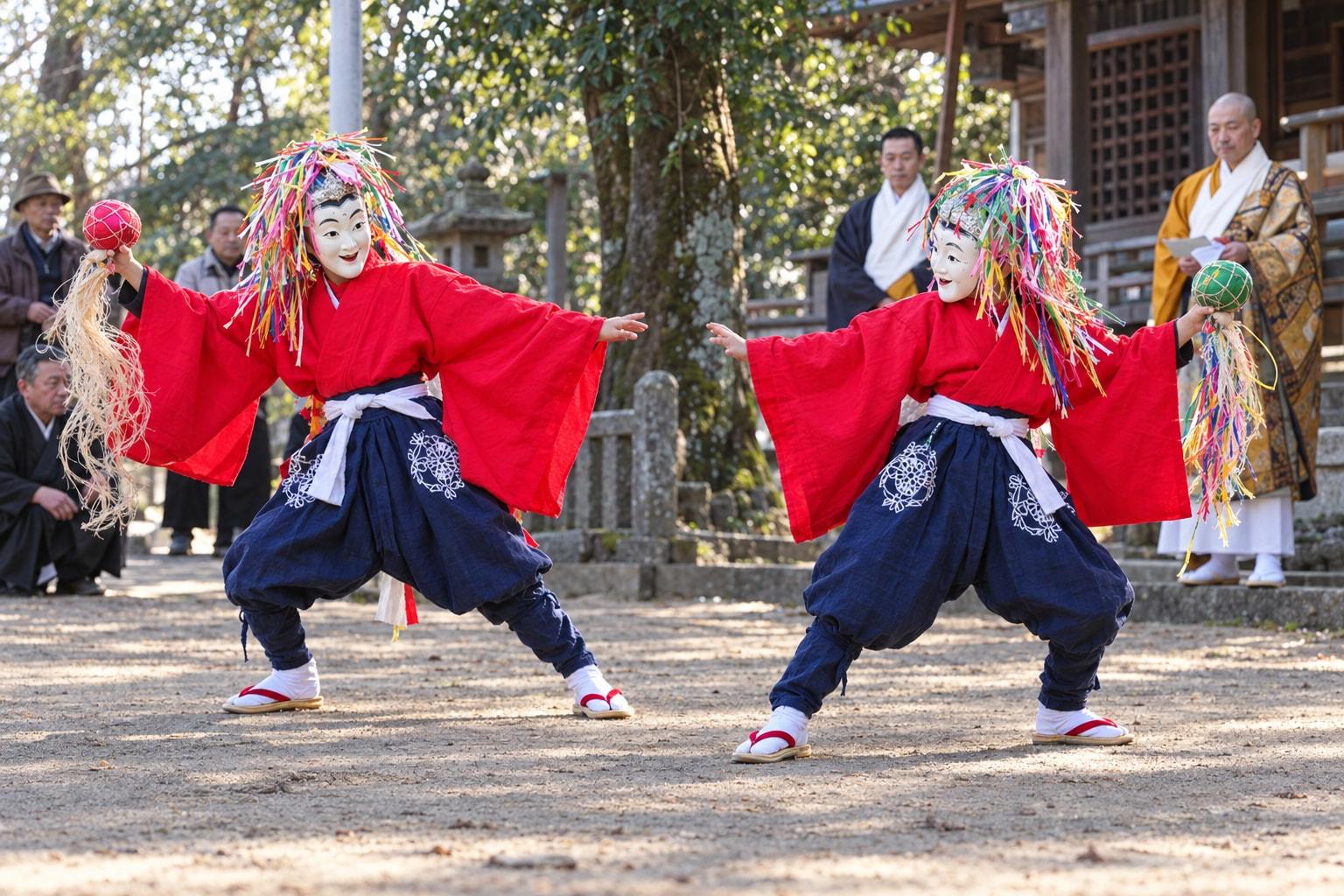
At Takezaki Kanzeonji in Saga, children's dances and the breaking of oak sticks give physical form to a New Year's observance. Its oni legend is only one part of a ritual whose recent performances deserve a closer look.
 AI reconstruction · See disclosure
Gunma ·
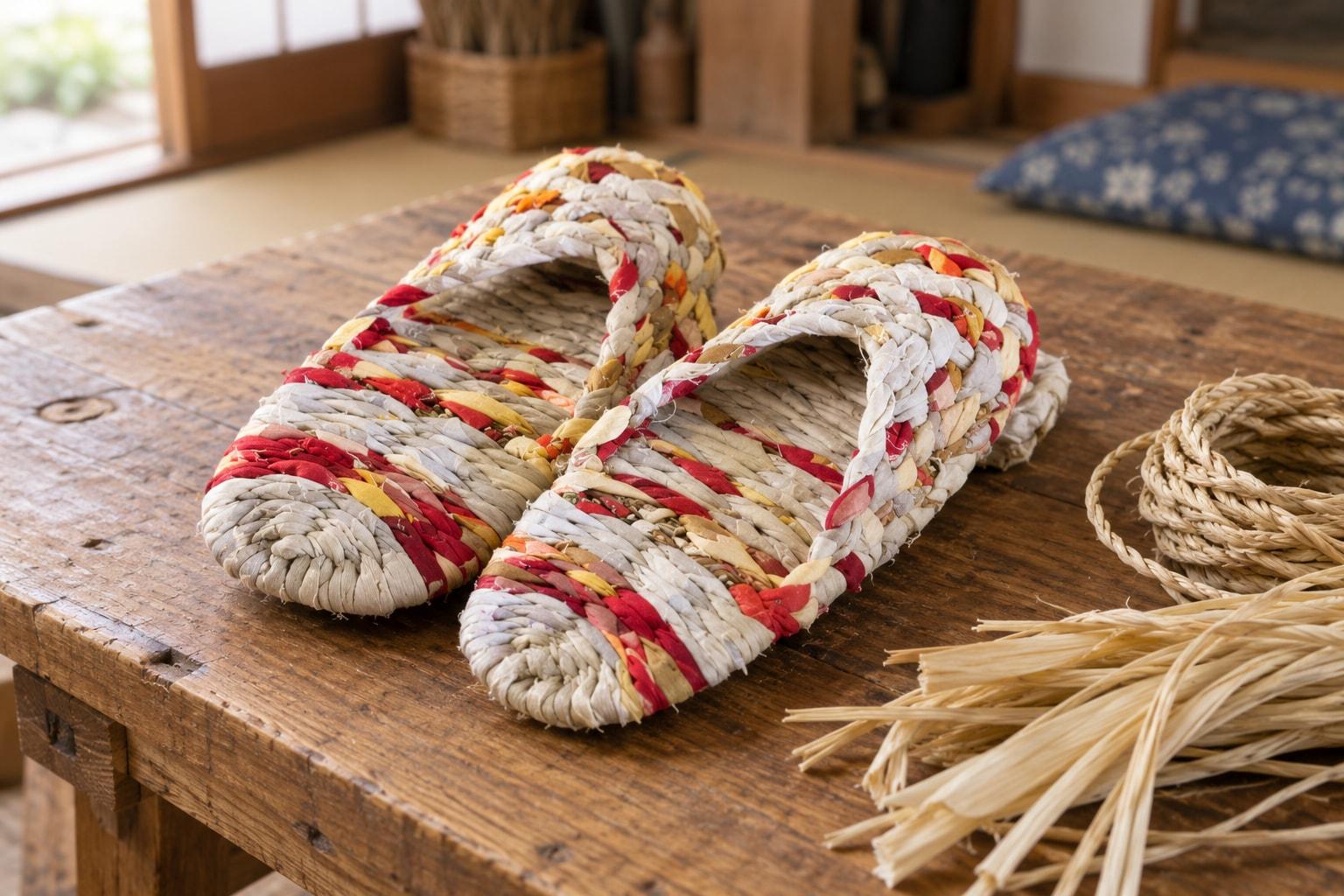
Before a mat or a pair of konkonzori can be woven, mountain plants must become workable material. Nehiro's nedofumi reveals the gathering, soaking and rope-making hidden inside an everyday object.
 Members only
Oita ·
 AI reconstruction · See disclosure
Saitama ·
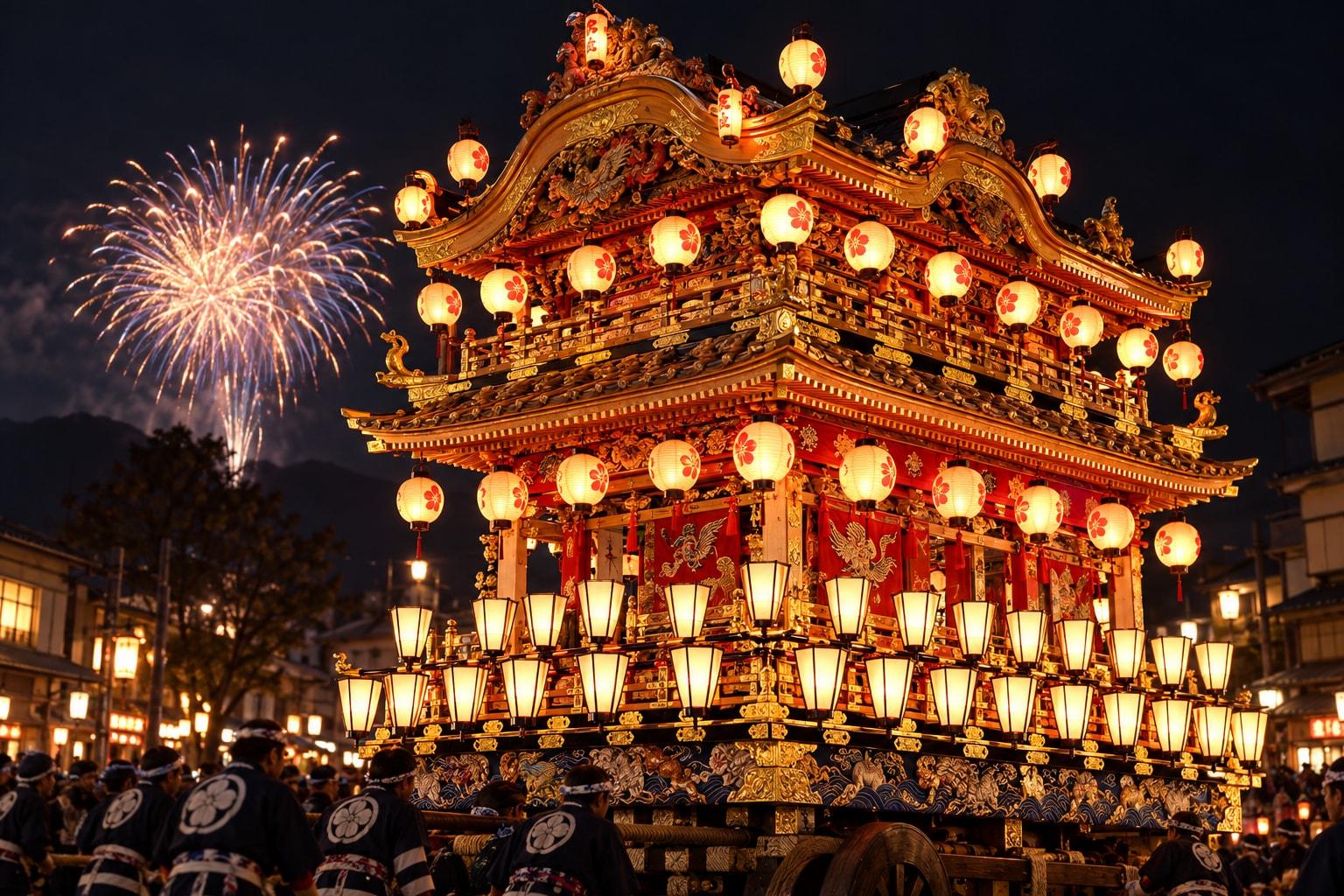
Chichibu's lantern-lit floats carry more than decoration. Their turns, expanding stages and neighbourhood performances connect a winter shrine journey with the history and working skills of a silk town.
 AI reconstruction · See disclosure
Shiga ·
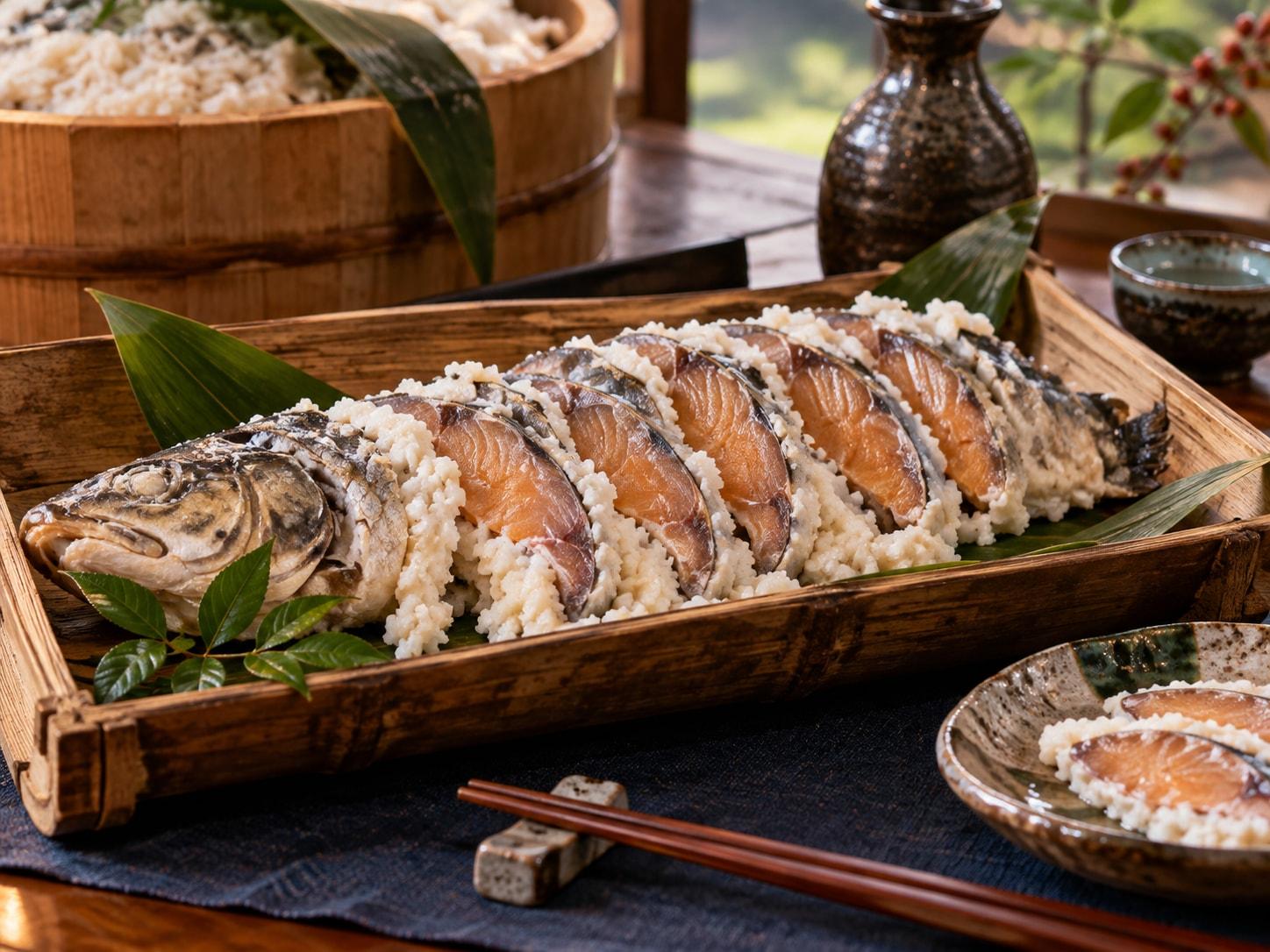
Beyond its distinctive flavour, Omi narezushi holds a calendar of preparation. Fish, rice and months of care connect Lake Biwa's foodways with household skill, changing methods and the New Year table.
 AI reconstruction · See disclosure
Kanagawa ·
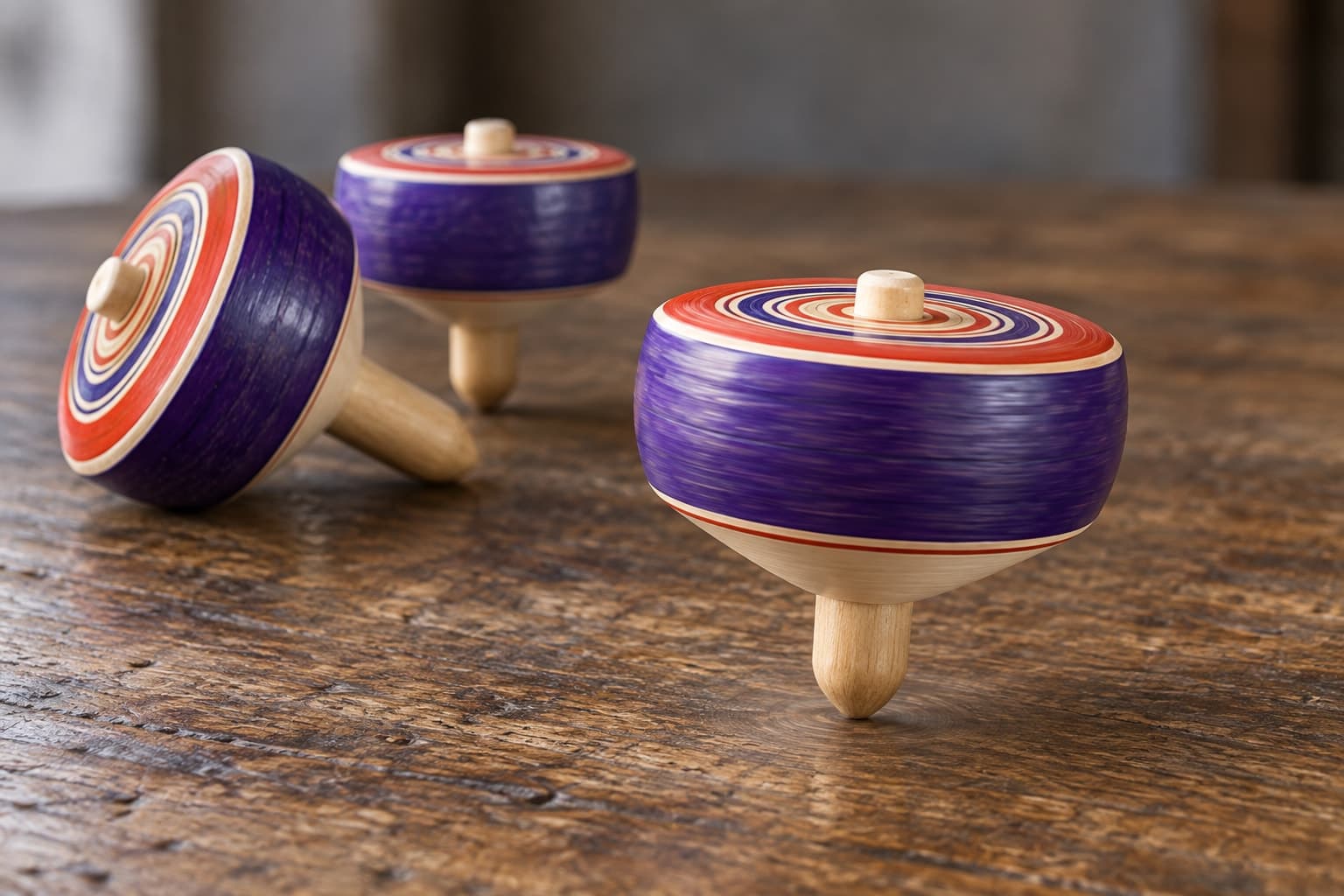
Oyama's wooden tops bring pilgrimage into the hands of a player. Their fitted spindles, painted rings and adaptable workshops reveal how a small souvenir carries a working craft.
 Members only
Aomori ·
 AI reconstruction · See disclosure
Nagano ·
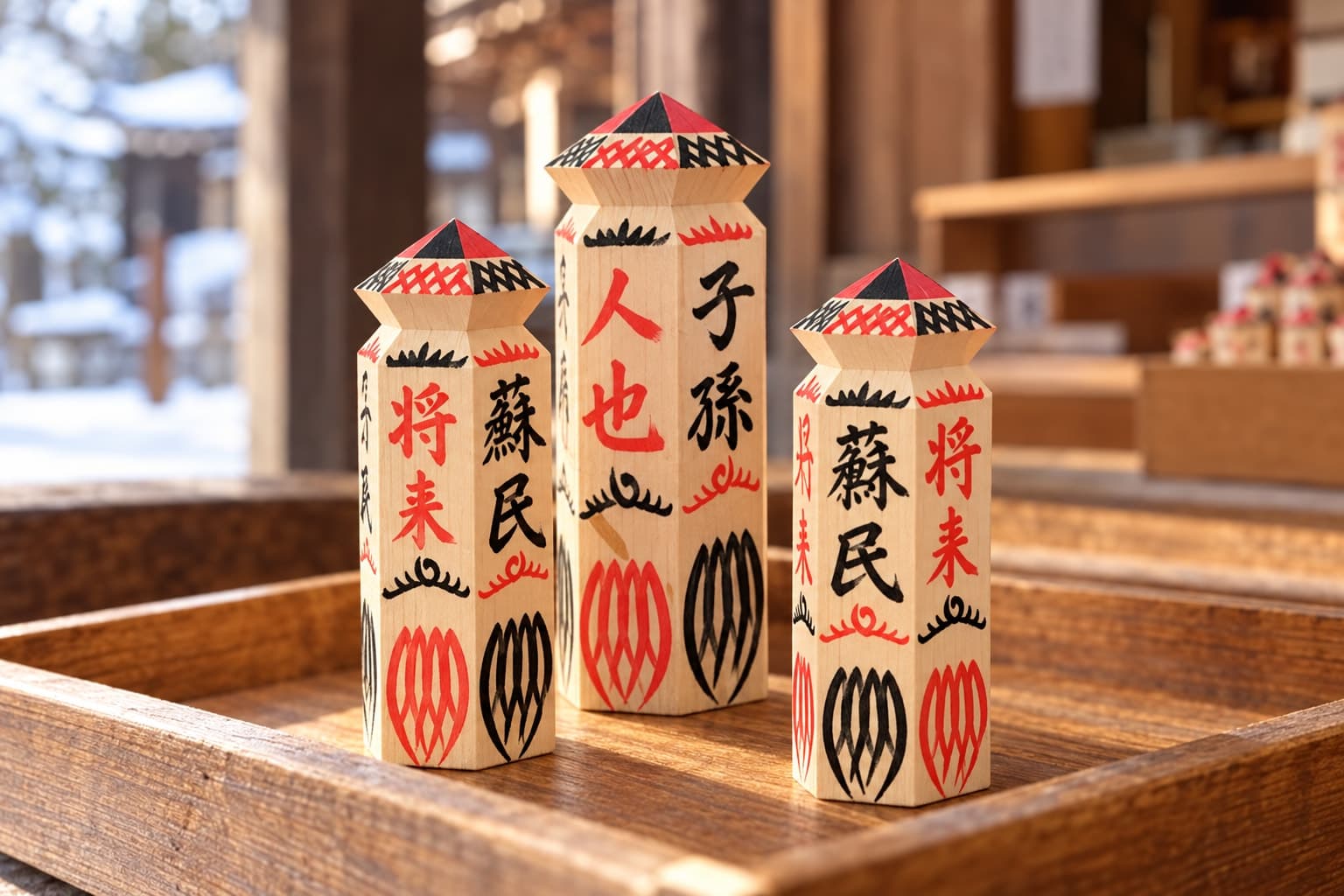
A six-sided wooden charm connects Ueda’s New Year fair with a legend of hospitality and protection. Follow its making from the first cuts in December to temple prayers, painted lucky gods and the households that keep the charms over time.
 AI reconstruction · See disclosure
Shimane ·
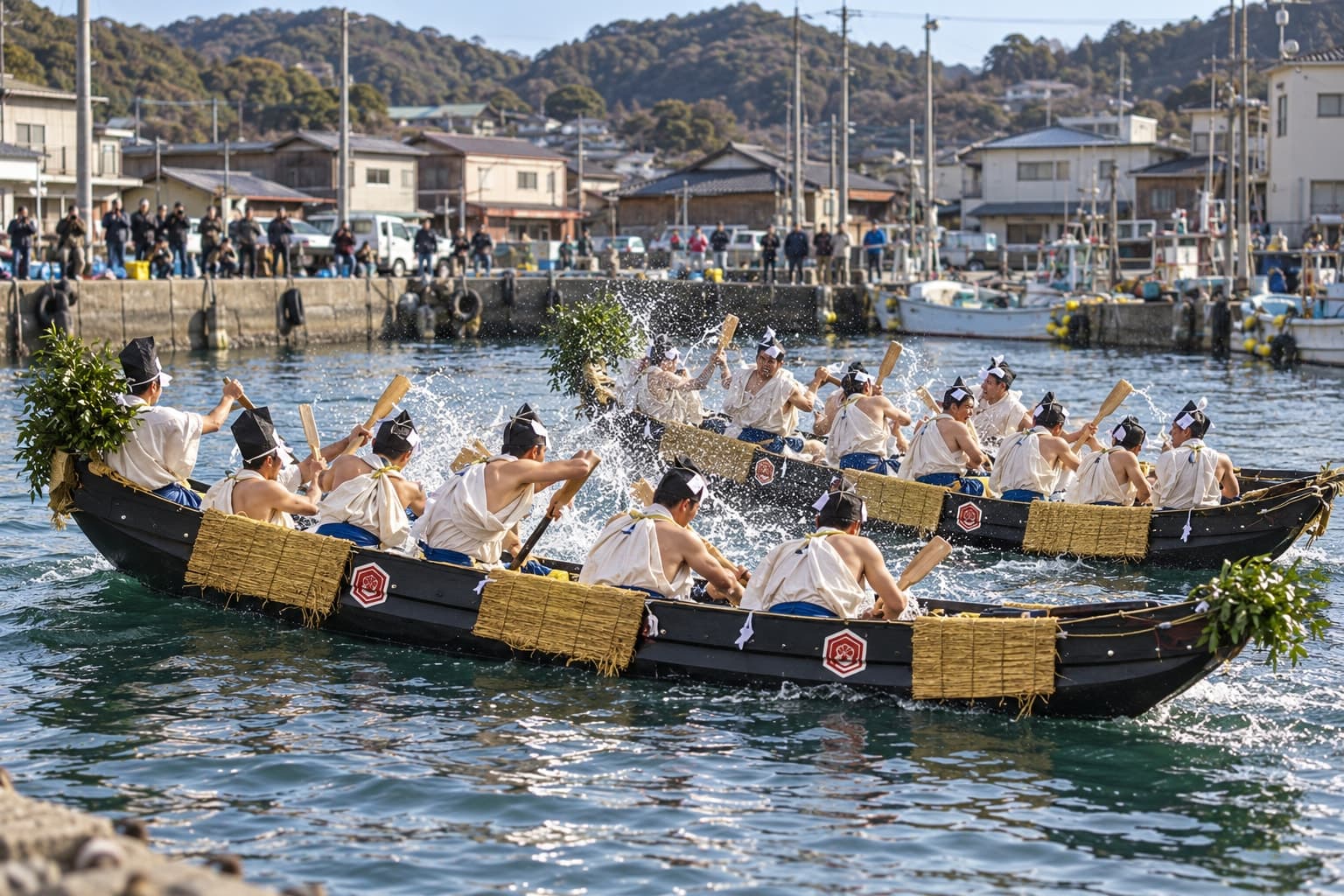
Each December, two boats carry shrine parishioners across Mihonoseki harbour. Beyond the splashing lies a divine messenger’s journey, a history of renewed wooden vessels and a ritual completed on land. Here is how to understand the sequence—and plan a visit.
 Members only
Shiga ·
 AI reconstruction · See disclosure
Tochigi ·
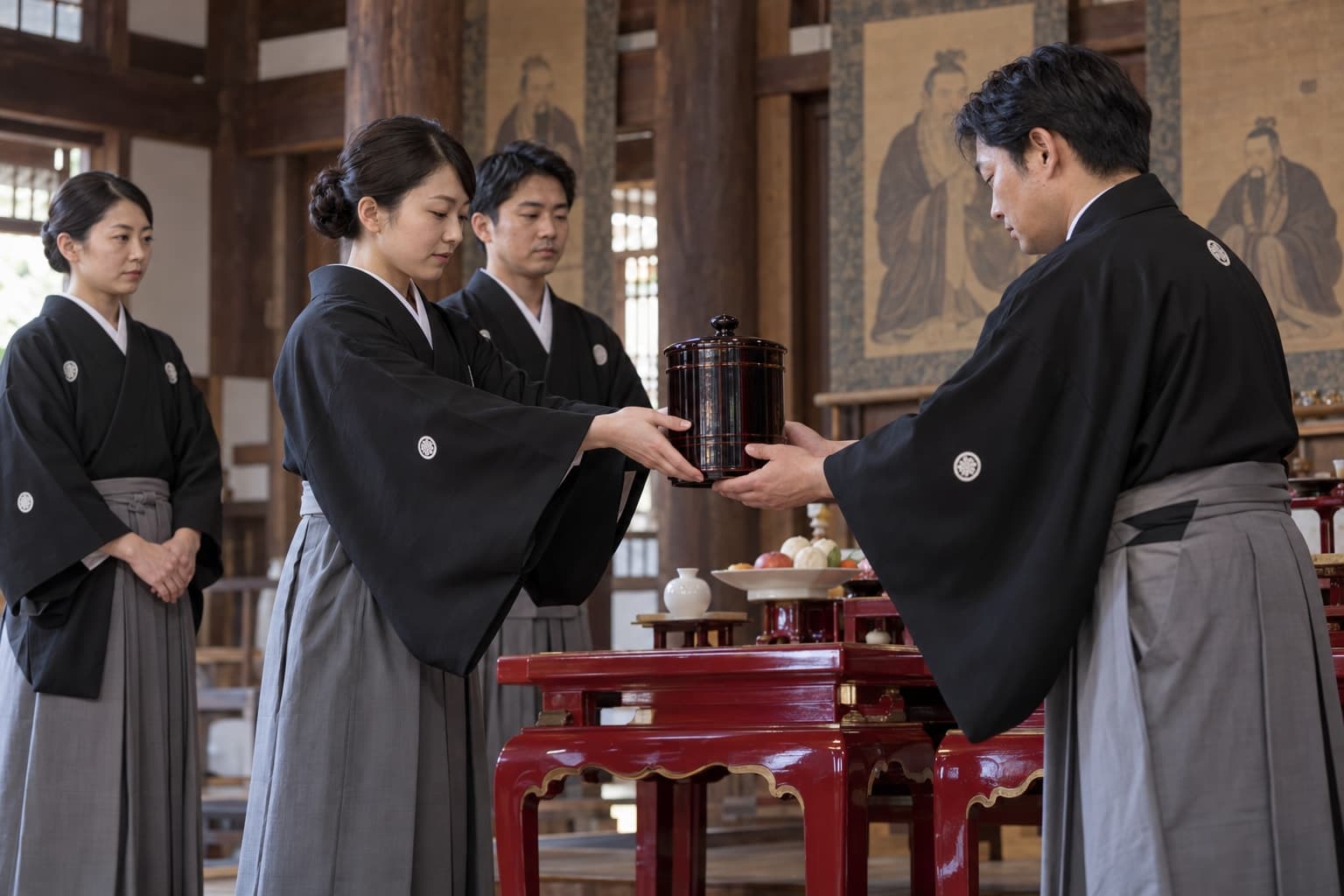
At Ashikaga Gakko, respect for Confucius takes the form of food carried, vessels placed and bows performed. Sekiten connects a historic school's Chinese classics with a living ceremony whose present order took shape in the twentieth century. Discover its objects, its changing history and what visitors can expect in November.
 AI reconstruction · See disclosure
Gunma ·
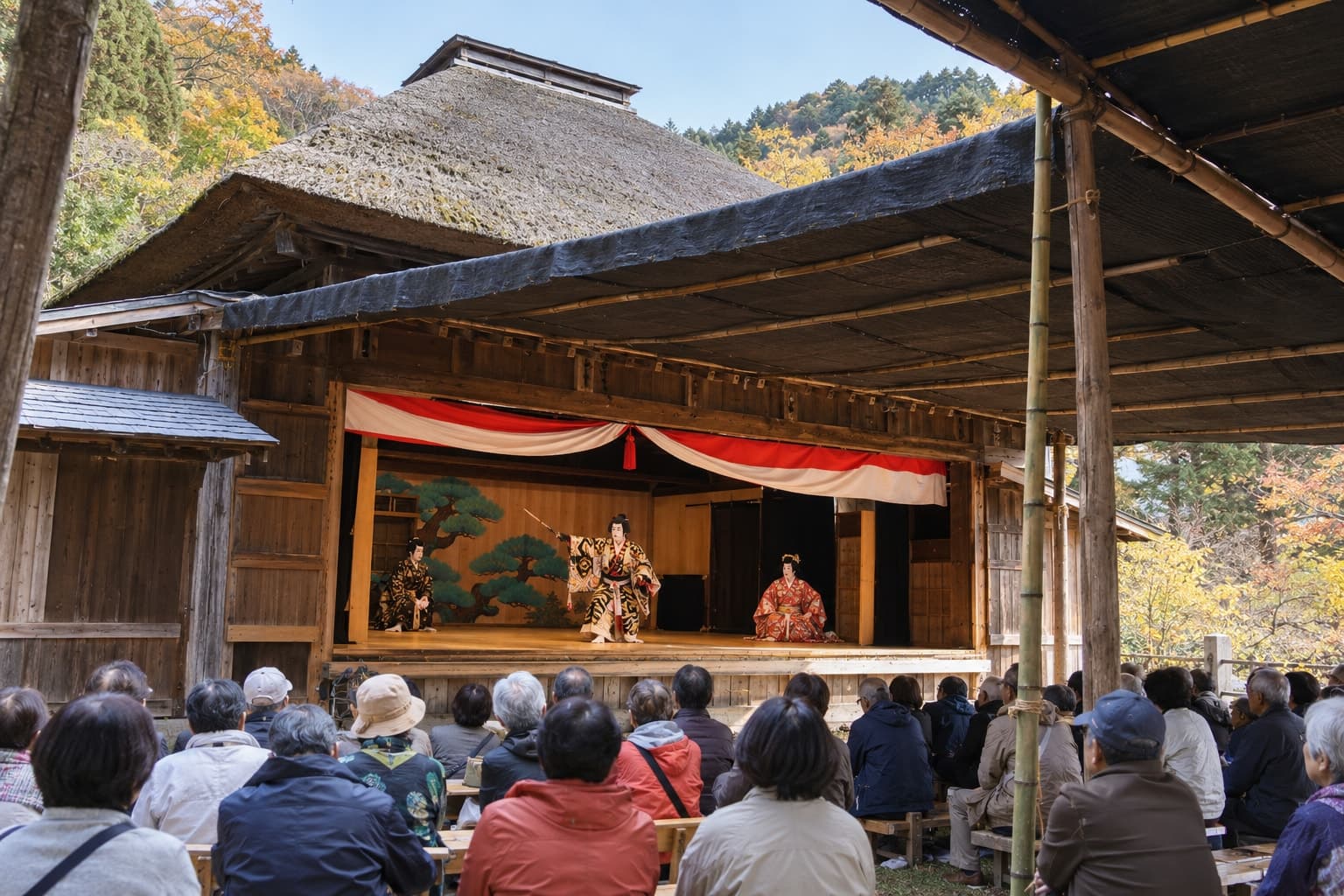
At Kamimiharada in Gunma, theatre begins with the building itself. Folding walls, a revolving floor and lifting platforms depend on coordinated human work. The stage's story follows the skills passed between operators, the temporary auditorium made by residents, and the public performances announced for November 2026.
 AI reconstruction · See disclosure
Aichi ·
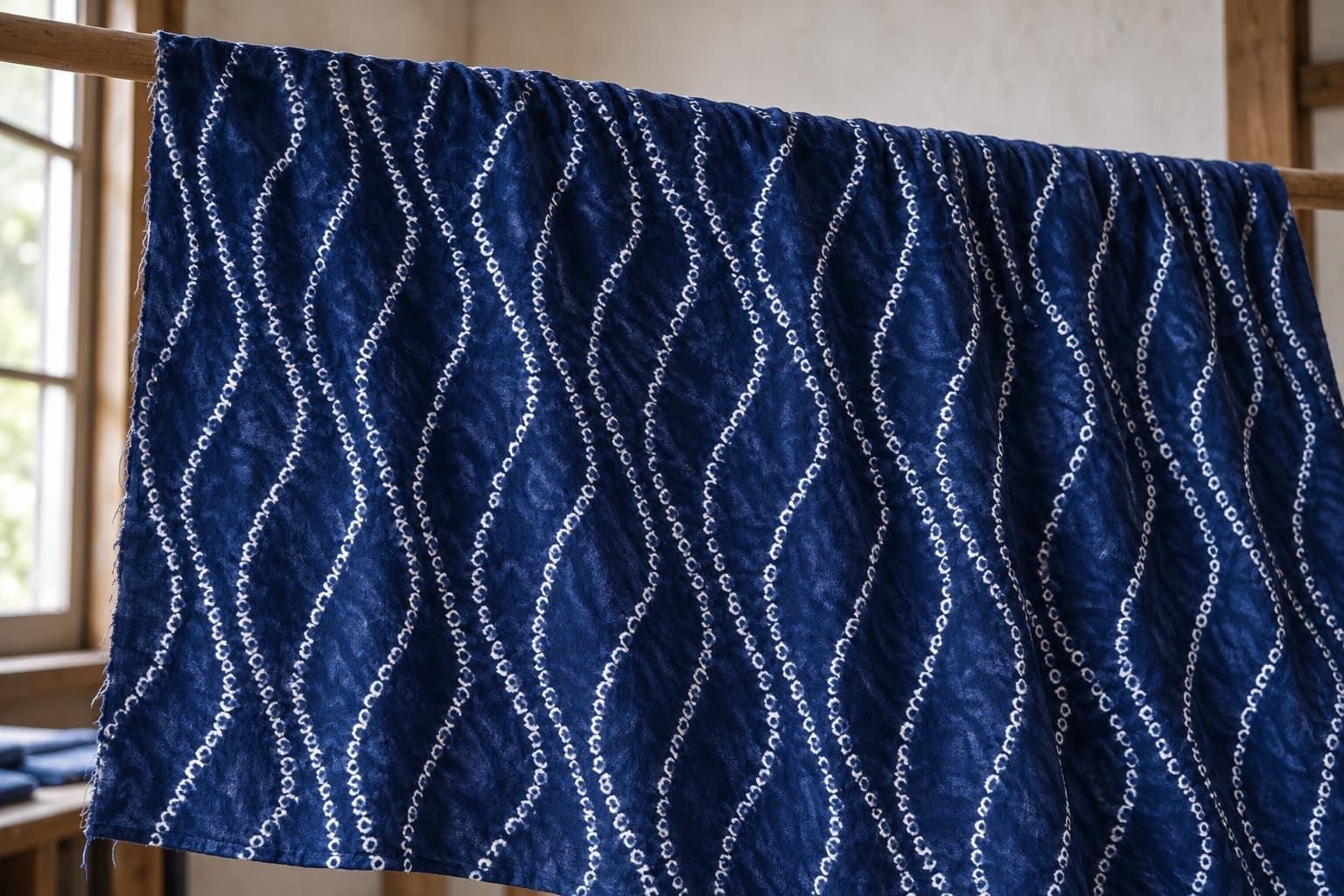
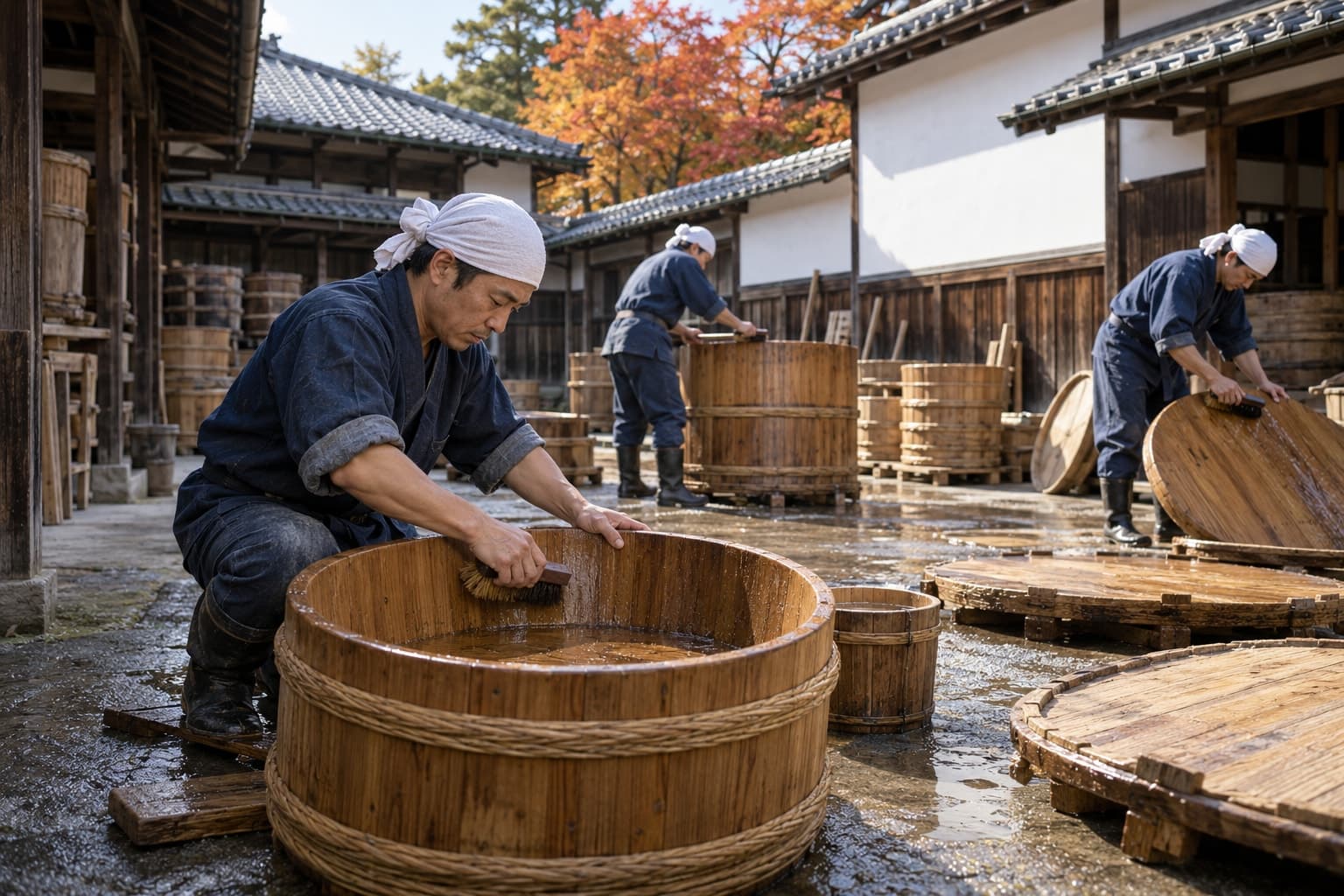
The colour is only part of the story. Arimatsu–Narumi shibori reveals how tightly bound threads, folded fabric and specialist finishing create patterns—and how makers are taking those skills into new materials.
 AI reconstruction · See disclosure
Tokyo ·
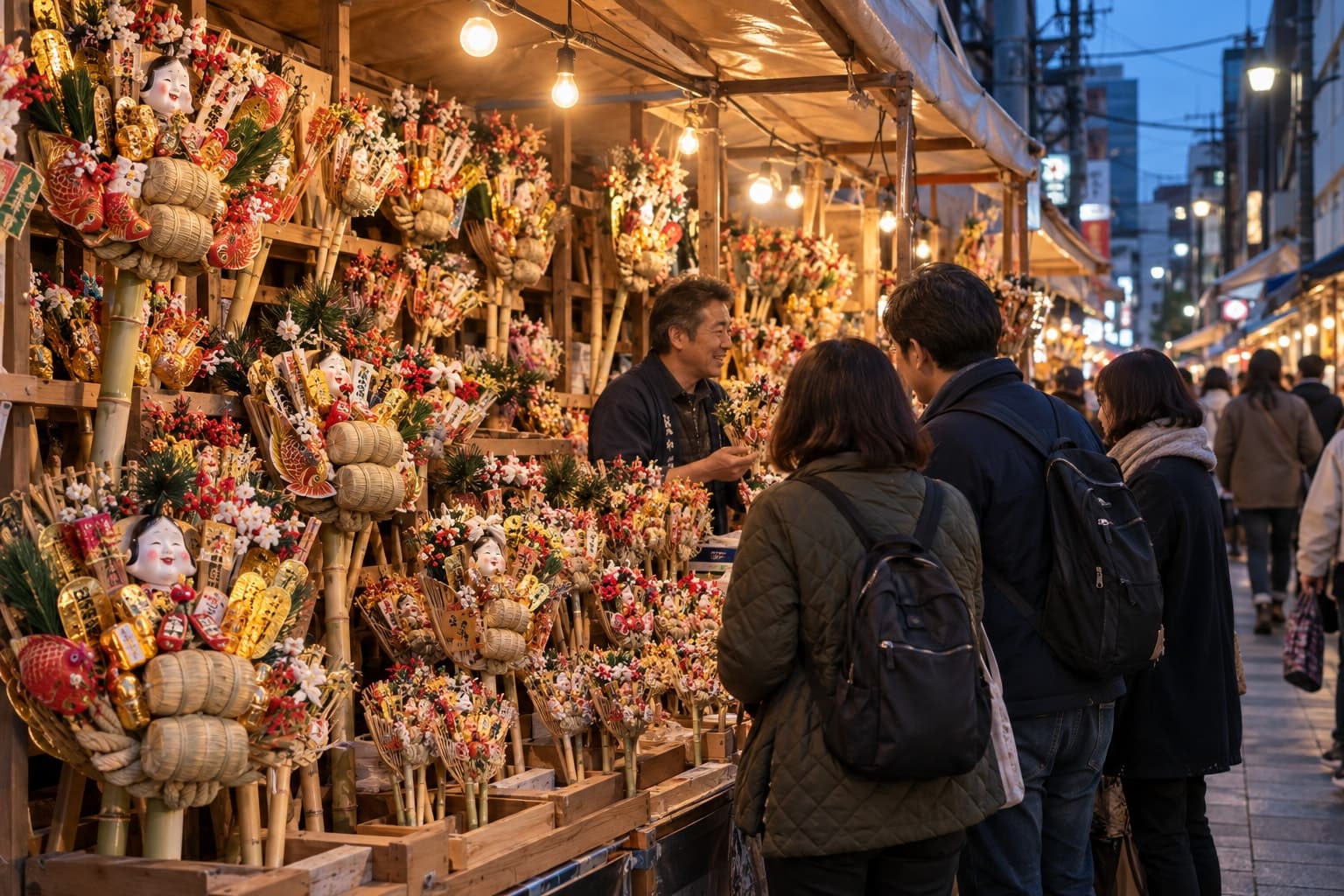
At Asakusa’s Tori-no-Ichi, a bamboo rake becomes a wish for prosperity. Follow its journey from market stall to home, through changing designs, ritual handclapping and the November calendar that brings the fair around.
 Members only
Hyogo ·
 AI reconstruction · See disclosure
Akita ·
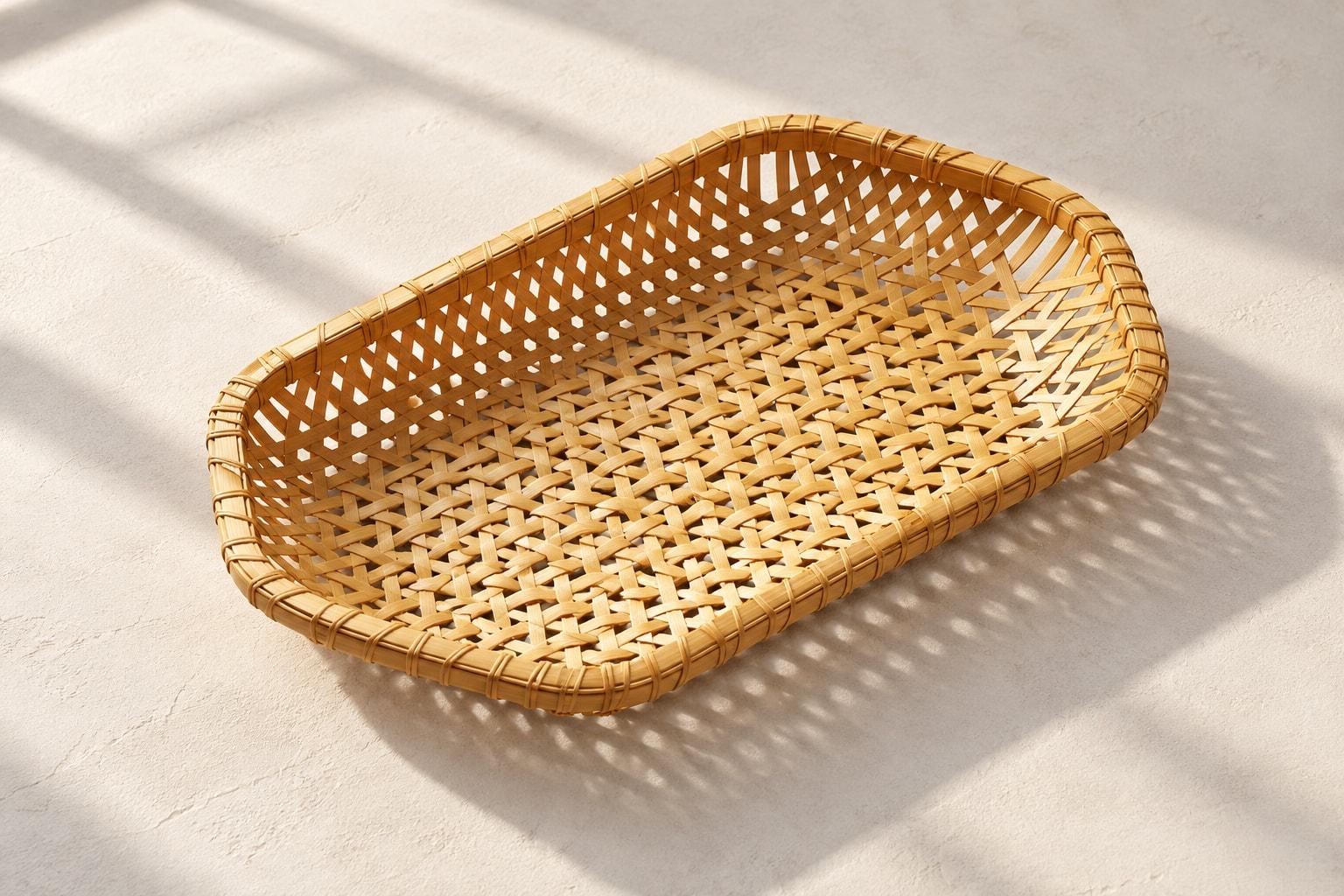
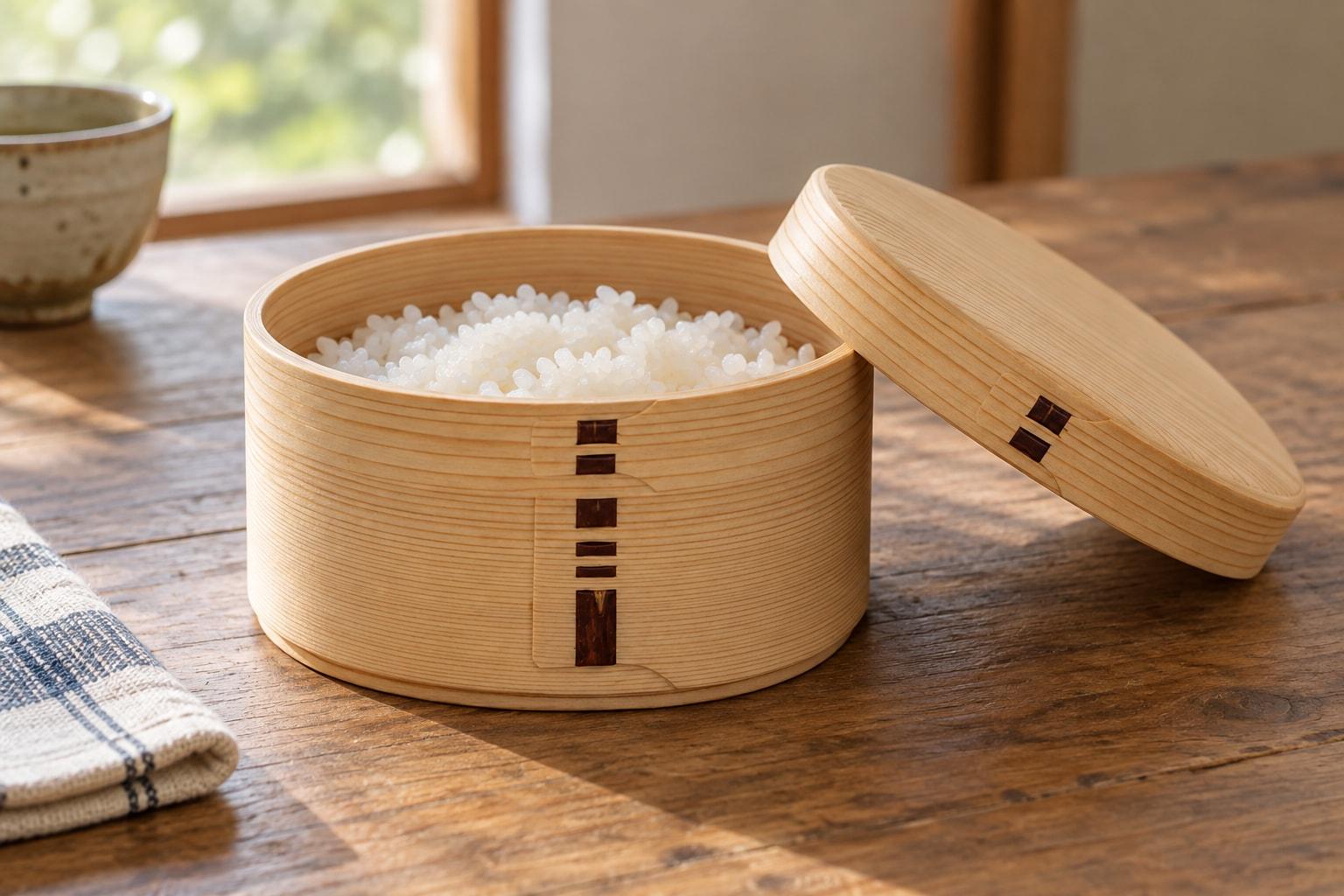
A bentwood lunch box holds more than a meal. Odate's makers reveal how cedar is selected, curved and finished—and how a regional craft adapts to changing forests and customers.
 AI reconstruction · See disclosure
Nagano ·
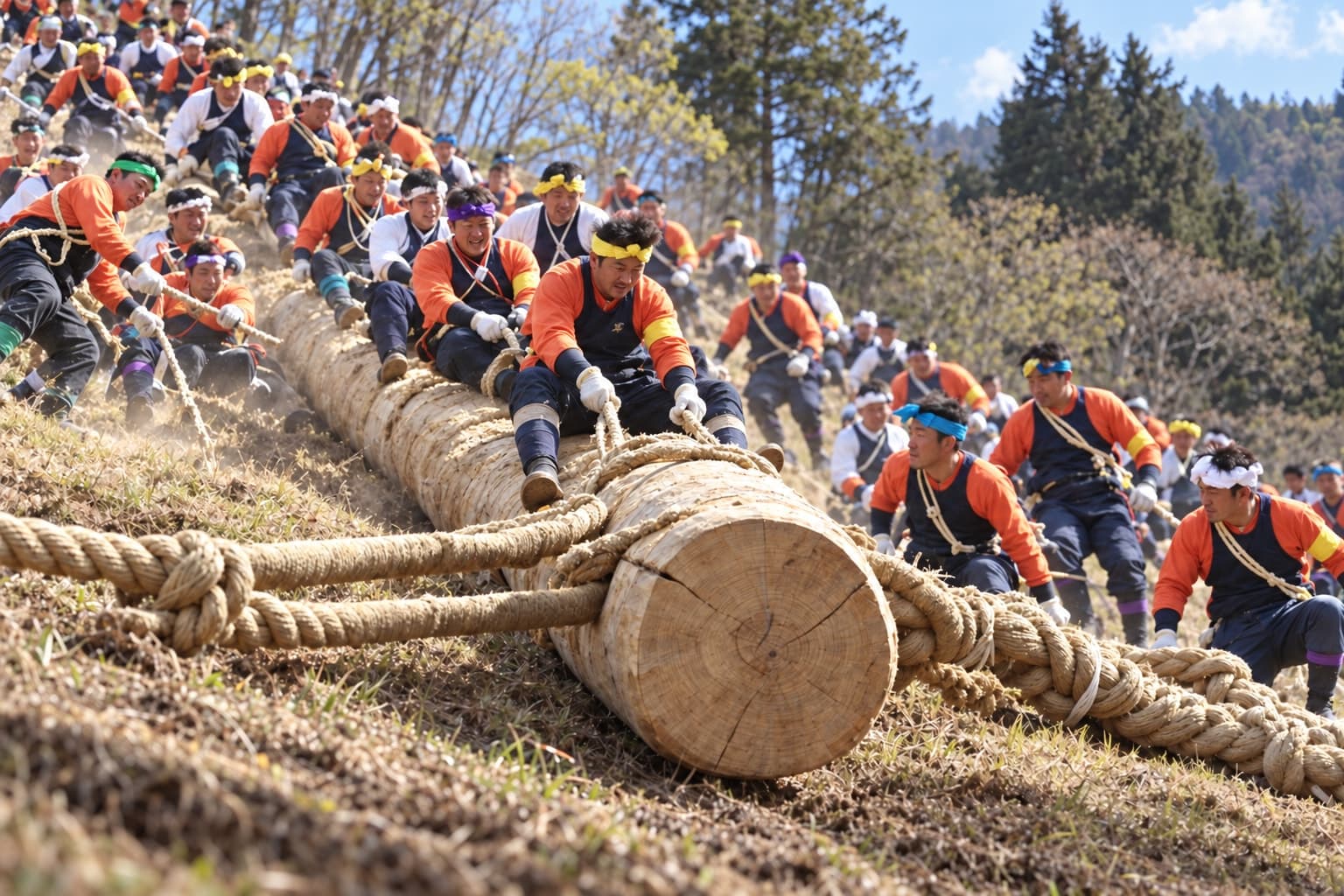
At Suwa’s Onbashira festival, hauling immense trees is only part of the story. Follow the pillars from mountain to shrine, and discover the songs, woodcraft and long preparation behind their renewal.
 AI reconstruction · See disclosure
Fukushima ·
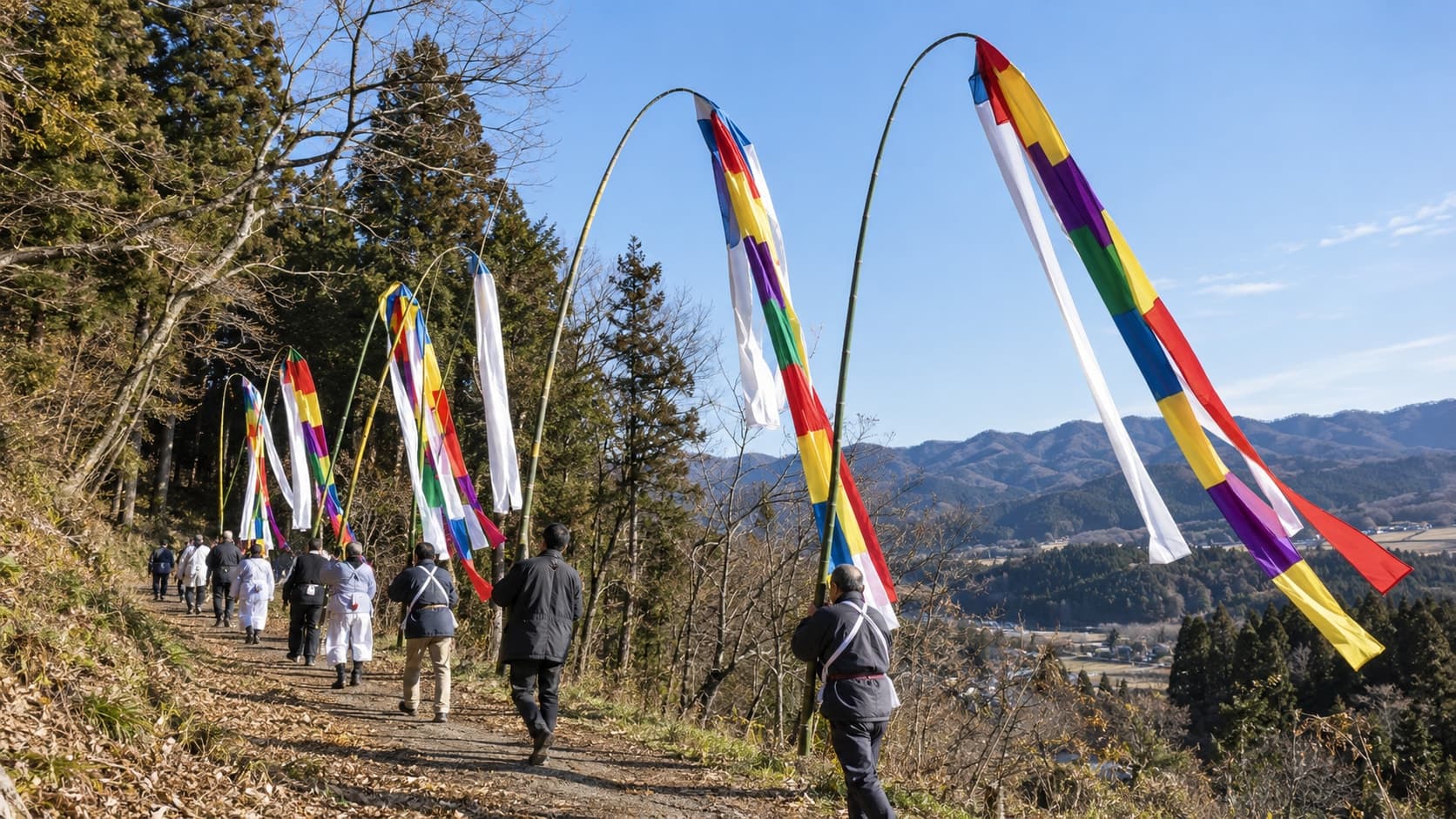
Long banners climb towards the shrines of Mount Kohata, while young initiates pass between rocks in a rite of rebirth. Explore the stories, preparations, and changing forms behind Fukushima’s December banner festival.
 AI reconstruction · See disclosure
Akita ·
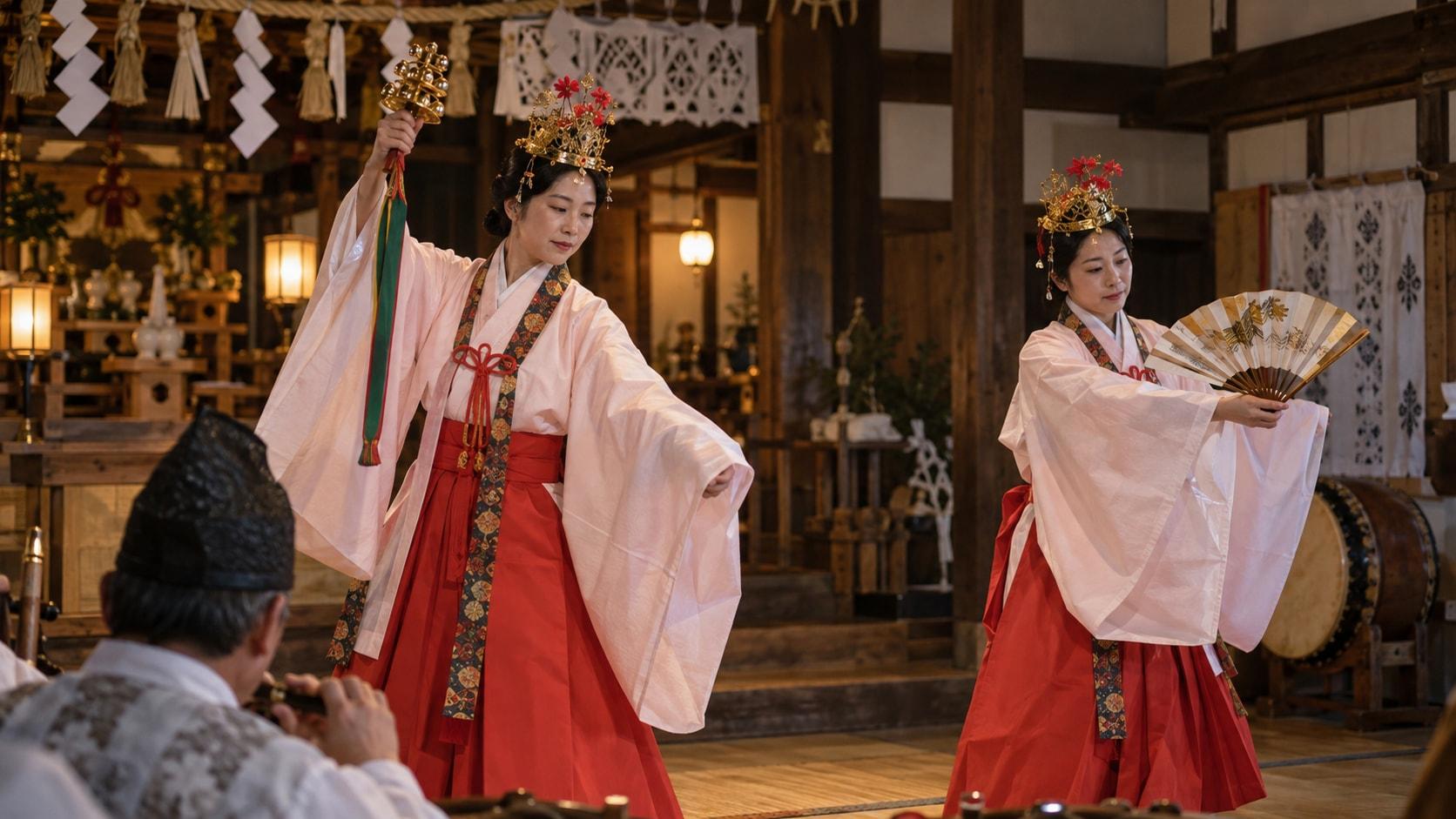
Every November, priests and miko gather at a village shrine hall in Yokote for Horowa’s Shimotsuki Kagura. Across 33 rites, hot water purifies, a dancer voices a divine message, and the mountain god takes the floor. We explore how the night unfolds, what its actions mean, and how to attend.